
Pressure Relief Mattresses
Pressure Relief Mattresses
The PressureGuard® Series
Experience the relief that comes from PressureGuard mattresses.
Try our pressure relief mattresses for easy comfort and proper care for the effective treatment of ulcers. These mattresses have been designed to ensure progressive wound healing and provide relief to suffering patients. The different product features ensure easy cleaning and a comfortable structure, which provides relaxing sleep. All pressure relief mattresses are designed by experts with an eye toward great user comfort and ease.
Pressure Relief Mattresses
PressureGuard® Span-Care® Convertible
Performance, comfort and flexibility – with or without power!
PressureGuard® Span-Care® Convertible
Performance, comfort and flexibility – with or without power!
PressureGuard® APM2 Mattress
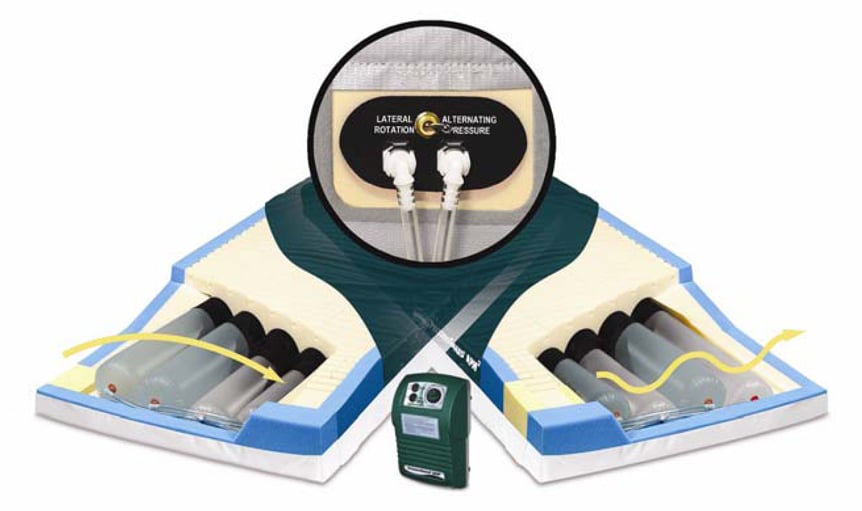
The PressureGuard APM2 gives you twice the treatment options.
PressureGuard® APM2 Mattress
The PressureGuard APM2 gives you twice the treatment options.

PressureGuard® Easy Air® Mattress
The PressureGuard Easy Air mattress provides low air loss with alternating pressure.
PressureGuard® Easy Air® Mattress
The PressureGuard Easy Air mattress provides low air loss with alternating pressure.
About Our Pressure Relief Mattresses
The PressureGuard Series
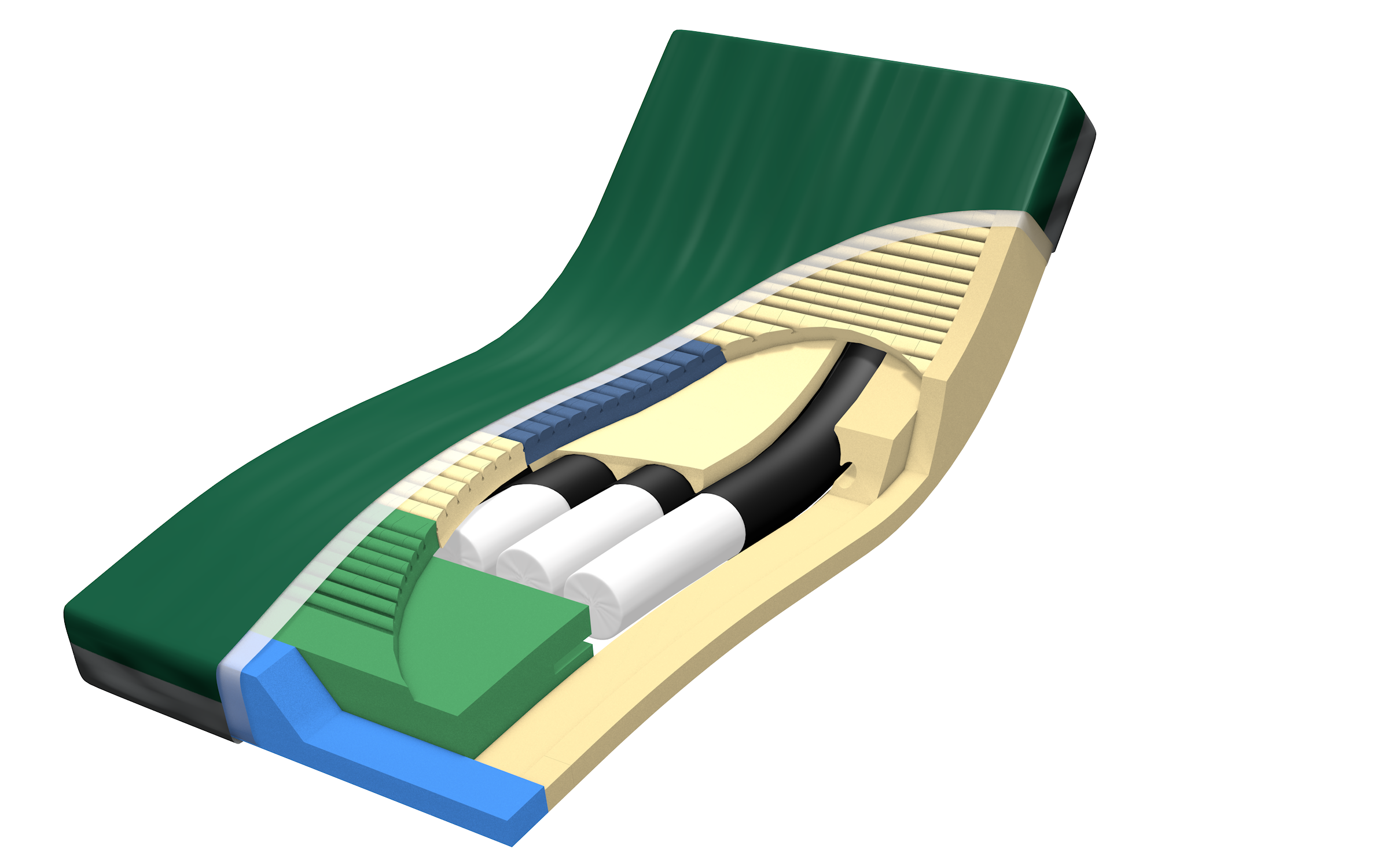
The PressureGuard Series stands apart from rest in today’s saturated pressure relief mattress market. Every mattress features patented technical innovations that combine the qualities of an air flotation system with the stability and safety of a multi-compound engineered foam shell.
Premium Healthcare Fabrics
The PressureGuard Series features a vapor barrier that is fluid-proof, antimicrobial, self-deodorizing and cleanable.
Geo-Matt® Design
The clinically-proven Geo-Matt® design features an anti-shearing top surface with 800 individually responsive cells in distinct head, torso, and foot zones that make for superior therapeutic support and comfort.
Heel Slope®
The exclusive Heel Slope® feature redistributes weight the lower legs and calves, which are more pressure-tolerant. The subtle taper provides complete foot support and reduces heel pressures.
Safety Edge™
The sturdy outer bolster of PressureGuard’s edge doesn’t collapse under a user’s weight, as can happen with air-only surfaces. The slotted inner bolster compresses slightly and angles inward toward the center of the mattress.
The Safety Edge™ advantage:
- Air-only surfaces have collapsing edges with nothing to prevent users from rolling off the bed or becoming entrapped under the side rail. The sturdy edges of the PressureGuard pressure relief mattress prevent this.
- The two-part bolster system of PressureGuard mattresses direct users toward the center of the mattress away from the edge and side rails.
- The two-part bolster creates a wedge effect, supporting a seated user on the edge of the mattress, making entry and egress easier and safer.
Sleep Better with Transfer Master.
Frequently Asked Questions About Our Pressure Relief Mattresses
PressureGuard, Span-Care and LifeSpan are registered trademarks of Span America