


As the flowers bloom and the days stretch longer, June brings with it a sense of renewal and energy. It is a time when many of us look forward to getting back into our gardens, visiting with family, and enjoying the fresh spring air. However, at Transfer Master, we believe that “Active Aging” isn’t just about what you do during the daylight hours; it is deeply rooted in how you spend your nights.
In this month’s feature, we are diving deep into the science of rest. We are exploring a landmark study recently highlighted in Archives of Gerontology and Geriatrics (and hosted on ScienceDirect) titled “Sleep quality and active aging: A systematic review.” This research provides a compelling look at why sleep is not a luxury, but a fundamental pillar of aging with grace, independence, and vigor.
What is “Active Aging”?
Active aging isn’t merely about physical exercise or “staying busy.” It is about maintaining autonomy, cognitive sharpness, and social connection. It is about having the physical and mental resilience to say “yes” to the things you love. As the cited systematic review emphasizes, active aging is a multidimensional concept and sleep is the glue that holds these dimensions together.
The Science of Sleep: Insights from the Systematic Review
The study we are examining today, “Sleep quality and active aging: A systematic review” (ScienceDirect, 2020), conducted an exhaustive analysis of existing literature to determine exactly how sleep impacts the aging process. The findings were clear: there is a significant, positive correlation between high-quality sleep and the successful realization of active aging goals.
According to the researchers, sleep is a “biopsychosocial” phenomenon. This means it affects our biology (our bodies), our psychology (our minds), and our sociology (our relationships). When sleep quality declines, “pillars” of active aging begin to crumble.
1. The Physical Pillar: Sleep as Repair
The systematic review notes that poor sleep quality is closely linked to physical frailty. During the deeper stages of sleep, the body undergoes essential maintenance. This is when growth hormones are released to repair tissues and when the immune system prepares for the day ahead.
For those of us in the “Active Aging” community, physical mobility is everything. The study suggests that chronic sleep deprivation or poor sleep efficiency (the amount of time you actually spend asleep while in bed) can lead to decreased muscle mass and slower recovery times. If you want to remain active in June and beyond, your body needs that nightly “down-time” to rebuild what the day has worn down.
2. The Cognitive Pillar: Clearing the “Brain Fog”
Perhaps one of the most critical findings in the ScienceDirect article is the link between sleep and cognitive function. The systematic review points out that sleep quality is a predictor of cognitive health in older adults.
While we sleep, our brains are hard at work. The lymphatic system, the brain’s waste-clearance system, is most active during sleep, flushing out toxins that accumulate during waking hours. Without quality sleep, these toxins can build up, contributing to “brain fog,” memory lapses, and an increased risk of neurodegenerative conditions. To remain “active” in our communities and families, we need our minds to stay sharp, and the research shows that sleep is the primary way to protect that sharpness.
3. The Emotional and Social Pillar: Mood and Connection
Active aging requires a high quality of life, which includes emotional stability and social participation. The systematic review found that poor sleep is a major risk factor for depression and anxiety in older adults.
When we are tired, we are less likely to engage in social activities. We are less patient, more prone to irritability, and more likely to isolate ourselves. By prioritizing sleep, we aren’t just “resting”; we are “recharging” our social batteries so we can be present for our grandchildren, our friends, and our neighbors.
The Barriers to Quality Sleep in Older Adulthood
If sleep is so important, why do so many seniors struggle with it? The ScienceDirect review acknowledges that sleep patterns change as we age. We tend to experience “advanced sleep phase syndrome” (going to bed earlier and waking up earlier) and spend less time in the deep, restorative stages of sleep.
However, the researchers emphasize that poor sleep is not an inevitable part of aging. Often, it is caused by external factors that can be addressed. These include:
- Physical Discomfort: Chronic pain, arthritis, and acid reflux can make it impossible to find a comfortable position.
- Sleep Apnea and Respiratory Issues: Difficulty breathing during the night leads to frequent “micro-wakings” that ruin sleep quality.
- Environmental Factors: A bed that doesn’t support the body correctly or a room that is too warm or bright.
How Transfer Master Supports the “Active Aging” Mission
At Transfer Master, we have spent decades designing sleep solutions that directly address the barriers mentioned in the scientific literature. If the goal is Active Aging, and the foundation is Sleep Quality, then the equipment you sleep on is your most important tool.
The ScienceDirect article highlights the need for “interventions” to improve sleep quality. While some interventions are medical, many are environmental. An adjustable hospital bed for the home, designed with the aesthetics of a luxury bedroom, can be a game-changer for active aging.
- Pressure Relief for Physical Resilience: Our mattresses are designed to distribute weight evenly, reducing the tossing and turning mentioned in the study as a sign of poor sleep efficiency.
- Positional Therapy for Better Breathing: For those suffering from sleep apnea or respiratory issues, the ability to elevate the head of the bed can significantly improve oxygen intake and reduce sleep interruptions.
- Independence and Safety: Part of the WHO’s definition of active aging is “security.” Our beds allow users to get in and out of bed safely and independently, reducing the fear of falls and promoting a sense of autonomy.
Standard Mattress Options
Choose from two styles of world-class mattresses for supreme comfort.
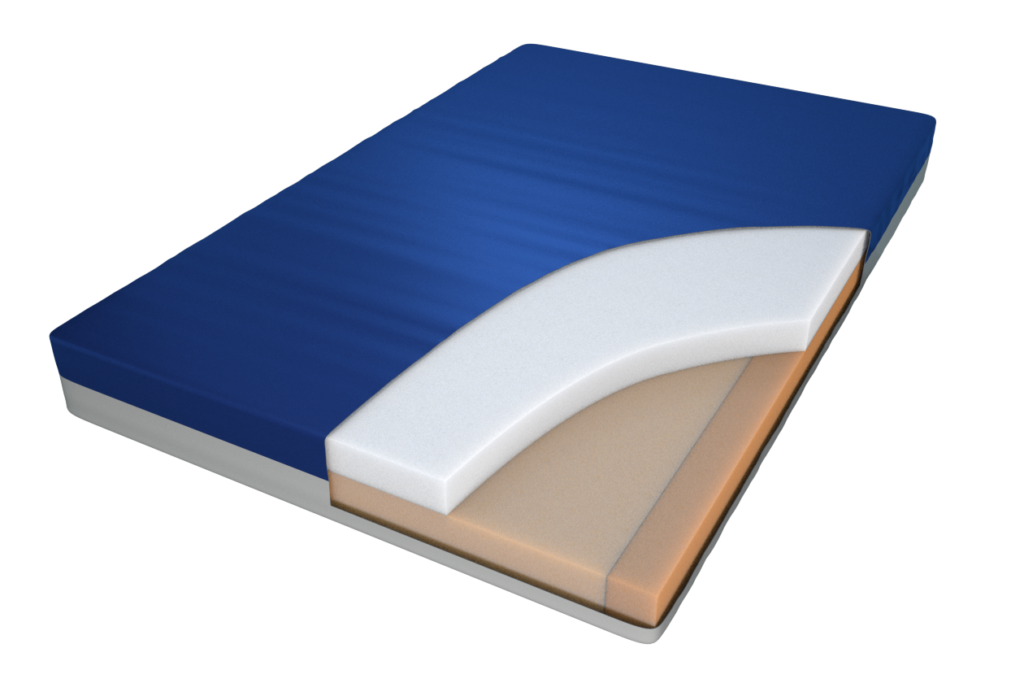
Soft Touch Memory Foam Mattress
Made of cool, form-fitting memory foam that conforms to the shape of the person who is using it.
Soft Touch Memory Foam Mattress
Made of cool, form-fitting memory foam that conforms to the shape of the person who is using it.
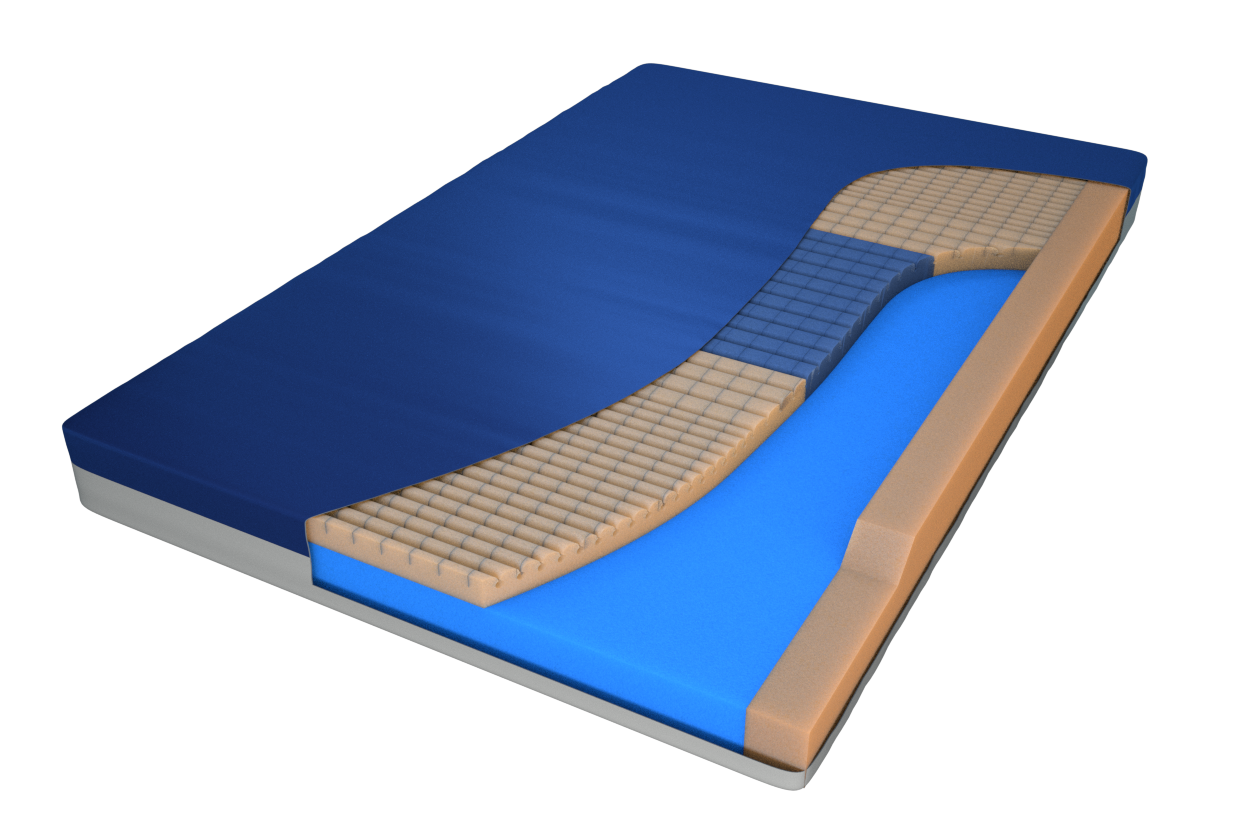
Ascent Hospital Bed mattress
A firm hospital bed mattress made with state-of-the art progressive laminated foams to provide a healthy skin environment.
Ascent Hospital Bed mattress
A firm hospital bed mattress made with state-of-the art progressive laminated foams to provide a healthy skin environment.
Practical Tips for Better Sleep This June
In alignment with the findings of the systematic review, we want to offer our readers actionable advice to improve their sleep quality starting tonight:
- Maintain a Consistent Schedule: The researchers found that regularity is key. Try to go to bed and wake up at the same time every day, even on weekends. This helps regulate your “circadian rhythm,” the internal clock that tells your body when it’s time to rest.
- Optimize Your Sleep Environment: As the study suggests, comfort is subjective but essential. Ensure your bedroom is cool, dark, and quiet. Most importantly, ensure your mattress provides the support your specific body type and health conditions require.
- Mindful Movement: Since we are talking about Active Aging, remember that daytime activity promotes nighttime rest. Even a 20-minute walk in the May sunshine can help you fall asleep faster at night. However, avoid vigorous exercise within three hours of bedtime.
- Watch the “Hidden” Sleep Stealers: Be mindful of caffeine intake in the afternoon and alcohol in the evening. While alcohol might make you feel drowsy, the ScienceDirect review notes that it significantly reduces the quality of sleep, leading to more frequent awakenings.
- Consult the Professionals: If you find that you are doing everything “right” and still feel exhausted, talk to your doctor. As the systematic review indicates, identifying and treating underlying sleep disorders is a vital step in maintaining long-term health.

Sleep is the Springboard to Activity
By improving your sleep quality, you are directly investing in your ability to remain active, independent, and happy as the years go by.
This June, as you enjoy the return of the sun and the beauty of the season, don’t forget to value the darkness of the night. Sleep is not “time lost”; it is the springboard that allows you to jump into your daily life with enthusiasm.
At Transfer Master, we are proud to be part of your active aging journey. We don’t just sell beds; we provide the foundation for your most vibrant years. Here’s to a restful June and an active, energized summer ahead!