


Finding the best hospital bed for home use can feel overwhelming when you’re caring for a loved one or planning for your own medical needs. With dozens of models available and varying coverage options, how do you know which bed is right for your situation?
This comprehensive guide walks through everything you need to know about selecting a home hospital bed, and comparing key features that matter most for safety, comfort, and long-term care.
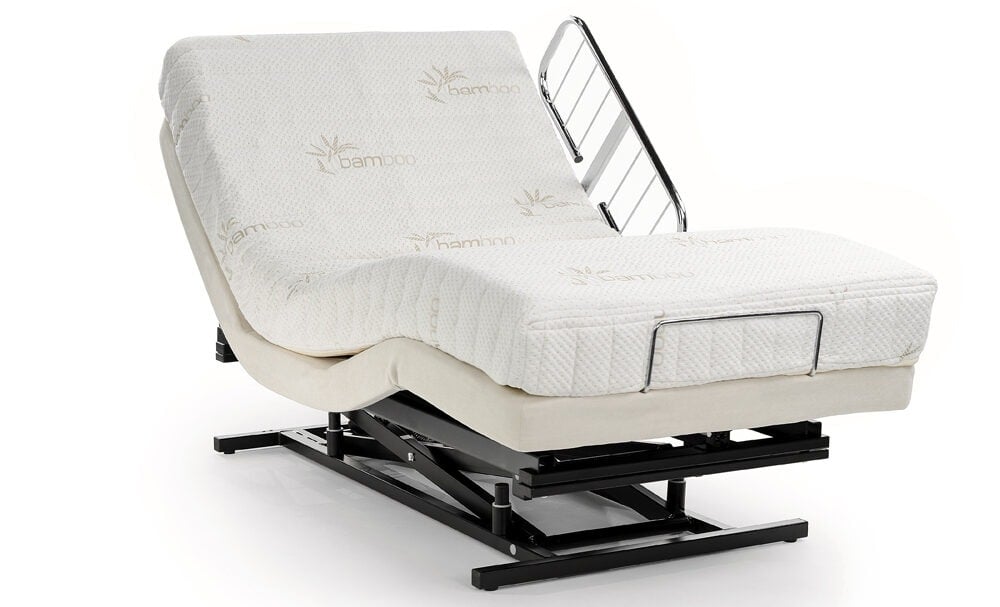
What is a Hospital Bed for Home Use?
An adjustable hospital bed for home use is a medical-grade adjustable bed designed to provide therapeutic positioning, safety features, and caregiver accessibility in a residential setting. Unlike standard beds, these specialized beds allow users to elevate the head, feet, or entire sleeping surface to improve circulation, reduce pressure points, and make daily activities like eating or watching television more comfortable.
Why You Might Need a Hospital Bed at Home
Hospital beds serve critical functions for individuals with various medical conditions, mobility limitations, or recovery needs. You might benefit from a home hospital bed if you or your loved one experiences difficulty getting in and out of a standard bed, requires frequent position changes to prevent bedsores, needs elevated positioning for respiratory or cardiac conditions, or requires assistance with transfers and personal care.
Types of Hospital Beds for Home Use
Manual Hospital Beds
Manual hospital beds use hand cranks to adjust the head and foot sections. These beds represent the most affordable option and require no electricity, making them reliable during power outages. However, adjustments require physical effort from caregivers, which can be challenging during frequent repositioning throughout the day and night.
Best for: Budget-conscious families, temporary recovery periods, and situations where positioning changes are infrequent.

Semi-Electric Hospital Beds
Semi-electric beds feature motorized head and foot adjustments with a manual crank for overall height adjustment. This hybrid approach balances affordability with convenience, allowing patients to reposition themselves independently using a handheld controller while caregivers manually adjust the bed height as needed.
Best for: Patients with some independence who need occasional caregiver assistance, moderate budgets, and long-term home care scenarios. Medicare typically will offer coverage for Semi-Electric Beds.
Full-Electric Hospital Beds
Full-electric hospital beds such as the Lumex Patriot Full Electric offer complete motorized control of all adjustable features including head position, foot position, and overall bed height. These beds provide maximum independence for patients and reduce physical strain on caregivers, though they come at a higher price point and require reliable electrical access.
Best for: Patients requiring frequent position changes, those with limited caregiver support, and individuals seeking maximum independence and comfort.

Low Hospital Beds
Low hospital beds can be lowered to within inches of the floor, significantly reducing fall risk for patients with cognitive impairments, restlessness, or high fall risk. These specialized beds maintain full adjustment capabilities while providing an extra safety measure beyond standard side rails.
Best for: Dementia patients, individuals with frequent nighttime confusion, anyone with documented fall risk requiring additional safety interventions.
Key Features to Consider When Choosing the Best Hospital Bed for Home Use
Weight Capacity
Always verify the bed’s weight capacity exceeds the patient’s weight by a comfortable margin. Standard hospital beds typically support 450 pounds, while bariatric models accommodate 600 to 1,000 pounds. Consider not just current weight but potential fluctuations and the weight of positioning aids or equipment that might be used on the bed.
Mattress Compatibility and Pressure Relief
The mattress significantly impacts comfort, skin integrity, and overall health outcomes. Standard foam mattresses work for mobile patients with low pressure ulcer risk, while alternating pressure or low air loss mattresses become essential for patients with limited mobility or existing skin breakdown. Ensure the bed frame accommodates your chosen mattress type and thickness.
Side Rail Options
Side rails serve multiple purposes, including providing support for repositioning, preventing falls, and offering attachment points for accessories. Full-length rails provide maximum containment but can create entrapment hazards, while split rails offer more flexibility. Half rails give support without full containment. Your choice should reflect the patient’s cognitive status, mobility level, and independence goals.
Height Adjustment Range
The ability to lower the bed facilitates safer transfers and reduces fall risk, while raising it allows caregivers to work at ergonomic heights that prevent back strain.
Controls and Ease of Use
Handheld controllers should feature large, clearly labeled buttons that are intuitive even for individuals with limited dexterity or vision. Some advanced models include programmable positions, night lights, and emergency controls. Consider whether the patient will operate the bed independently or require caregiver assistance when evaluating control complexity.
Mobility and Portability
Hospital beds with locking casters enable easier room reconfiguration and cleaning while maintaining stability during use. If the bed will need to move between rooms or travel with the patient, consider overall dimensions, weight, and whether it can fit through standard doorways when disassembled.
Quiet Operation
Motor noise levels vary significantly between models. For light sleepers or those making frequent nighttime adjustments, quieter operation becomes a crucial comfort factor. When possible, request a demonstration to evaluate noise levels during all adjustment functions.

Decision Tree: Finding Your Best Match
Follow this decision tree to narrow down your options:
Step 1: Assess Medical Needs
- Does the patient have existing or high-risk pressure ulcers?
→ Consider advanced therapeutic mattress support - Is the patient at high fall risk?
→ Prioritize low-height capability - Does the patient weigh over 450 pounds?
→ Requires bariatric bed
Step 2: Evaluate Independence Level
- Will the patient adjust the bed independently?
→ Electric controls essential - Will caregivers handle most adjustments?
→ Manual or semi-electric may suffice - Are frequent position changes needed day and night?
→ Full-electric recommended
Step 3: Consider Duration of Use
- Temporary (under 3 months)
→ Rental or manual bed may be cost-effective - Long-term or permanent
→ Investment in full-electric provides better value - Progressive condition
→ Plan for advancing needs with adaptable features
Contact a Transfer Master Bed Expert to help you select the Best Hospital Bed for your needs.